
Learning to Create Change in ENG130
Wild turkeys are a menace—at least according to some students in Associate Professor Shahara Drew’s English 130 class, Writing in the University.
One of the major projects in the class involves bringing persuasive writing skills to bear on an aspect of the campus experience. “I ask students to identify an area that needs improvement and then write a proposal to solve that problem or improve that area,” Drew says.
The project is a relatively new addition to ENG 130 but was a staple of her ENG 308 course more than a decade ago. Drew has seen a variety of project proposals over the years—including combatting aggressive turkeys on campus, dorm makeovers, and adding a hockey rink on campus—but she emphasizes that the project is about learning to create positive change through the power of persuasion.
“Students need to convince their readers that their problem actually needs solving, and that it’s feasible—within the scope of something the University can do,” Drew says.
Another key component is getting students out into the Assumption community. ENG 130 is typically taken by first-year and sophomore students, and Drew assigns the project as a way for them to become more invested in their own educational experience.
“I want them to take ownership of their education and be active participants,” she says. “It’s not about passively waiting for someone to give you the information—writing and education are powerful tools. I want them to go out into campus and talk to people.”
One of her students, Aidan McGeary ’27, did just that, taking the initiative to schedule an appointment with President Greg Weiner to discuss his concerns about turkeys on campus. And, while there wasn’t anything the University could do about local wildlife, it sparked President Weiner’s interest in the class.
“A big piece of this assignment is having engaged administrators who are willing to listen,” Drew says. “President Weiner emailed me to say that he would love to hear other proposals.”
Michael DiFelice ’27, a defensive lineman on the football team, jumped at the chance. “When I got the opportunity to write about something I wanted to improve, there was no question— strength and conditioning was the first thing on my list.”
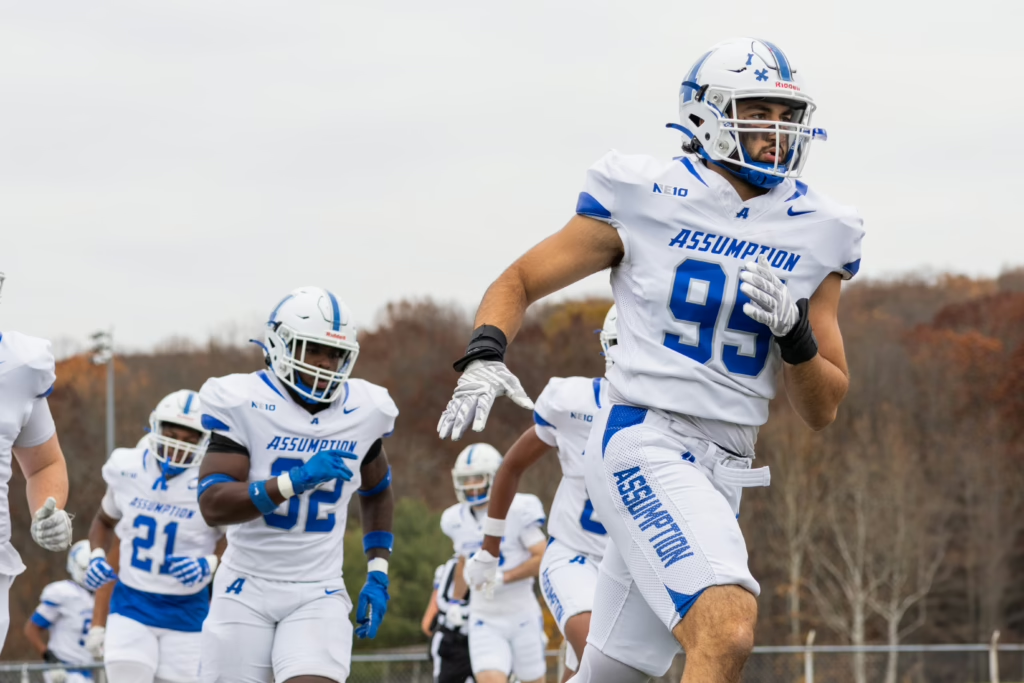
DiFelice, from Saugus, Massachusetts, is majoring in finance and business. But his three years as a Greyhound also instilled a passion for athletic training. “Strength and conditioning is a pillar of our football program, so we spend a lot of time in the weight room, and I’ve just fallen in love with the process here.”
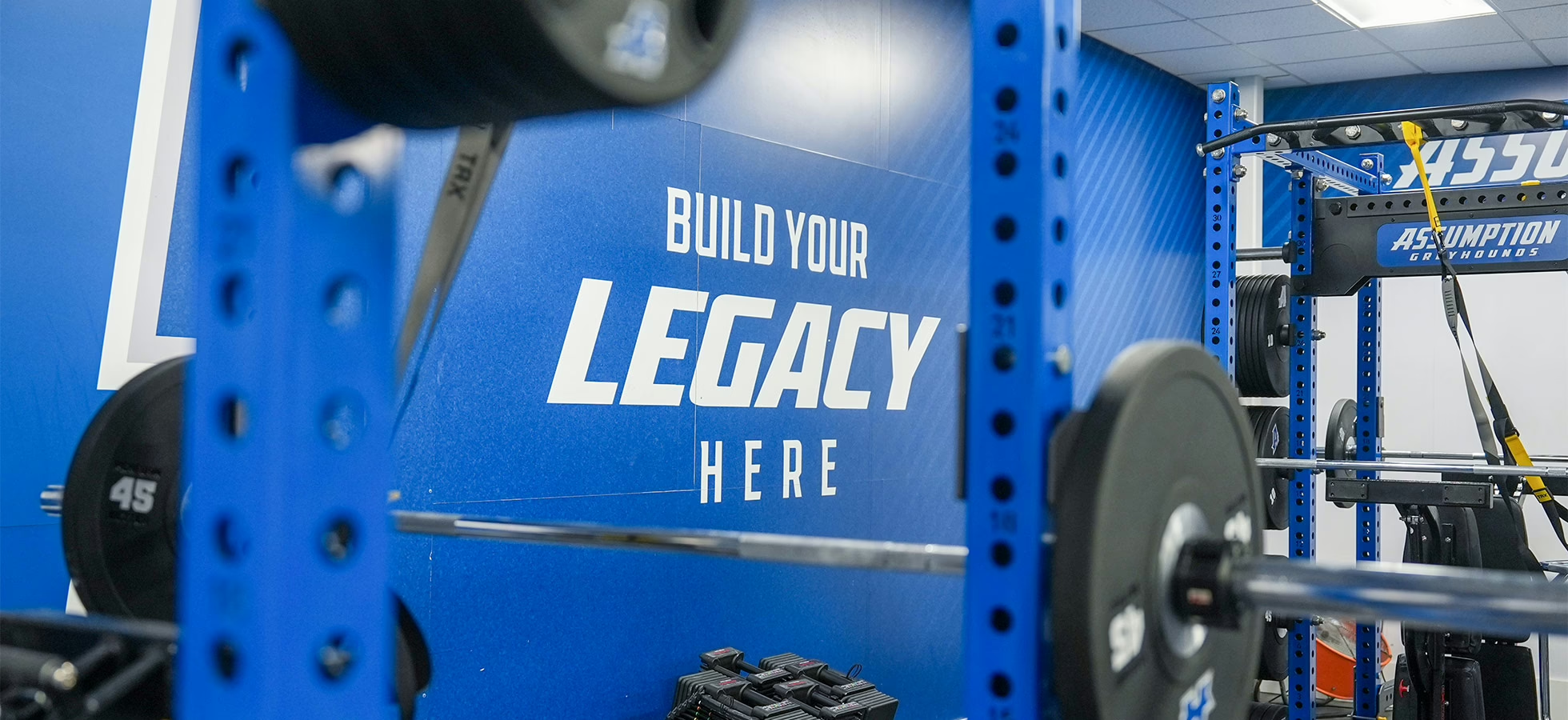
The meeting with President Weiner was an active one, with the pair walking over to the Plourde Recreation Center so DiFelice could explain his vision in person. Over the summer, with the help of donor support, his plan was implemented, and the varsity weight room received a complete renovation including a new floor, equipment, and weights.
“What made Michael’s paper outstanding was his effort to not only research costs, but to understand what would persuade his audience,” Drew says. “He benchmarked other Division II schools’ weightrooms to ensure that his proposal was grounded in competitive analysis and improvements to safety and wellbeing that administrators would care about.”
“I put so much emphasis, pride, and care into it,” says DiFelice. “Because not only will I get to use it, but so will my teammates, and the next generations of student athletes here.”
This project exemplifies Vision II of Assumption’s strategic plan, Thrive, which includes goals focusing on both the improvement of campus facilities and strategic decision-making that centers the student experience.
“It’s important to have administrators who recognize that students have valuable things to say, says Drew. “And it’s a credit to President Weiner to not just listen, but to go out and see it for himself.”