
“A Hopeful Spirit”: SENDing Greyhounds to Live and Learn in the Dominican Republic
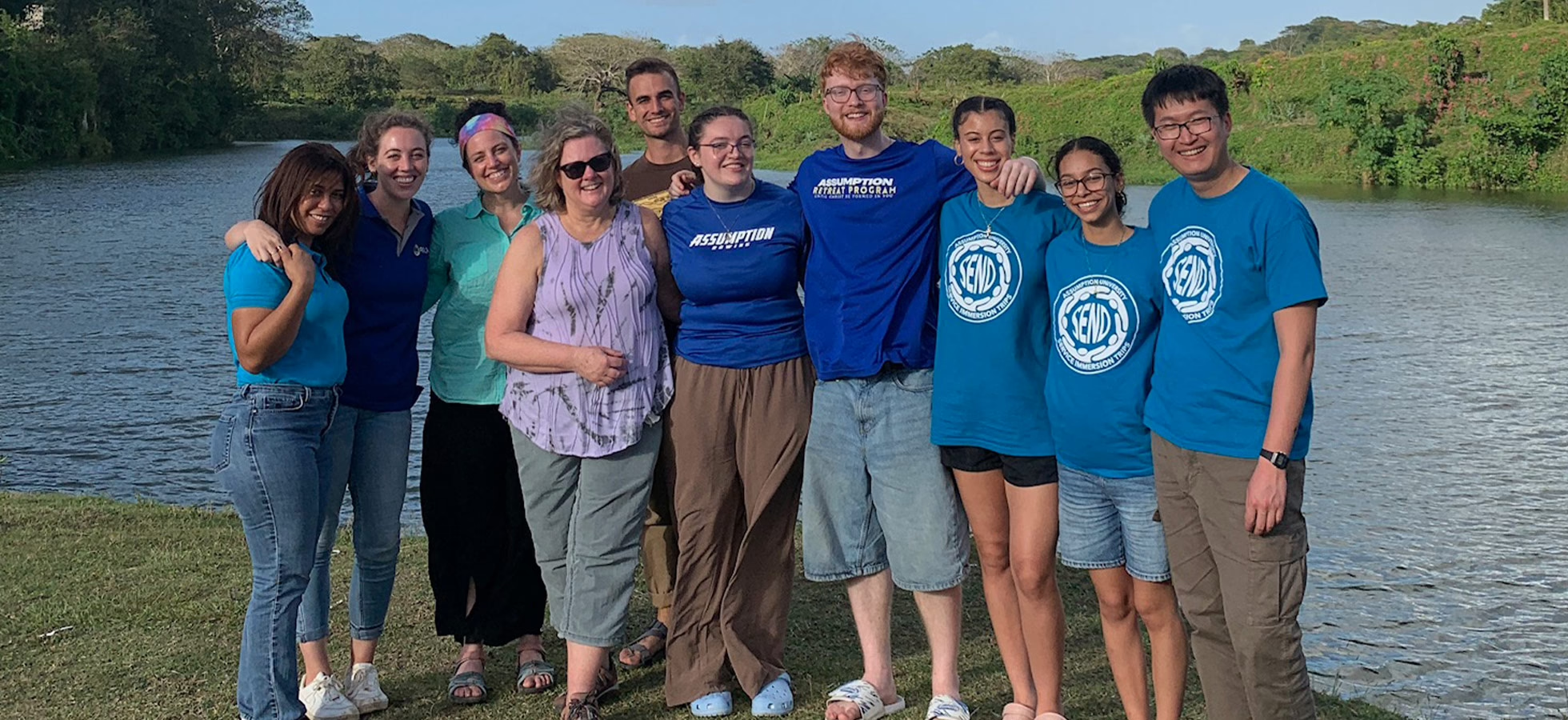
Since 1986, members of the Assumption community have traveled during University breaks to sites in the U.S. and abroad to encounter people in need through service, mutual learning, and spiritual reflection. Known as SEND trips, these service and immersion experiences develop participants’ devotion to the common good as they walk alongside local communities, gaining insight into their joys and struggles, and learn about the political, economic, and other factors that impact their lives.
During the spring 2026 semester, Greyhounds traveled to the Dominican Republic for the first time in partnership with Rostro de Cristo, a group devoted to service through experiences of solidarity. Students, faculty, and staff worked alongside Haitian communities living in bateyes—settlements for workers around a sugar mill—and listened to first-hand accounts of their lives.
“The idea was to be present, to listen and really hear what people are saying as opposed to ‘serving’,” Campus Minister Una Murphy said. “It was profound to listen to what these communities deal with every day, trying to survive.”
“We went to a sugar cane field and saw the conditions they were working in, the houses they were living in, the supplies they have to use,” said Yheraldine Baez ’29. “We immersed ourselves in their lives.”
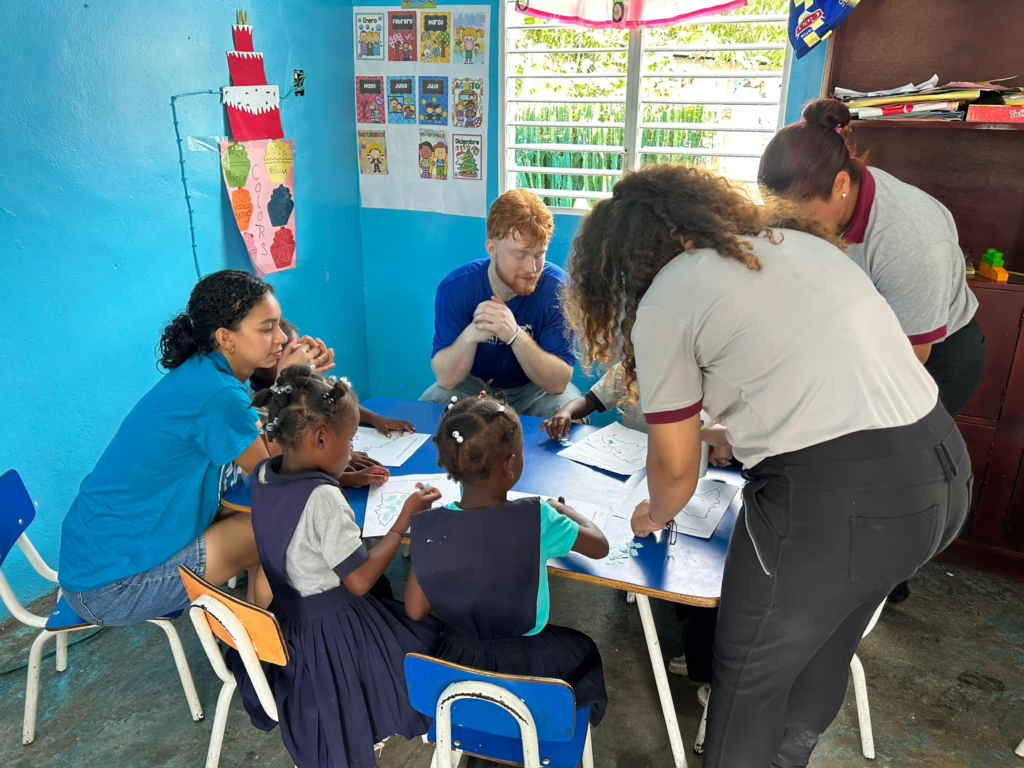
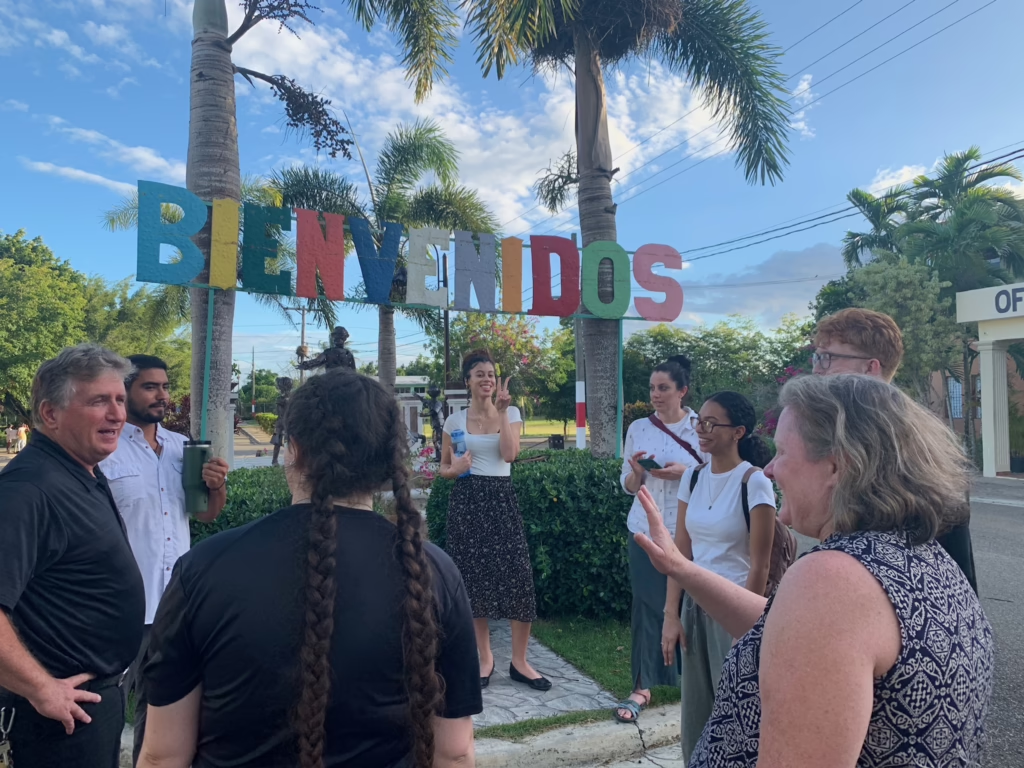
The Dominican Republic and Haiti share the island of Hispaniola, and longstanding tensions between the two nations, rooted in cultural differences, immigration policy, and territorial history, shape daily life for those living in both countries.
History Professor Kristen Vogel had previously taken part in a SEND service trip to the border in El Paso, Texas in 2024, and noted how this experience differed.
“In the Dominican Republic, we were talking with and about migrants who were already working and trying to establish themselves there,” she said, in contrast to El Paso, where SEND participants would work at shelters along the border.
Raw sugar remains one of the Dominican Republic’s top exports, and labor conditions for workers there have long drawn human rights concerns. Seeing that labor firsthand, students said, made the stakes of their experience impossible to ignore.
“The amount of injustice that happens without anyone discussing it struck me. You see these things online, or you read about them, but then you move on to the next thing,” said Baez. “These trips make you realize that these are humans and injustice is your problem too. What if you can make a difference? They make you realize that you can, even if it’s just for one person.”
“We’re so far removed from who makes our food, who grows our food, who makes our clothes that we become indifferent to their exploitation so we can have cheap sugar or cheap clothes,” Murphy said. “What we don’t see, or don’t want to see, is referred to as a ‘globalization of indifference’. Experiencing the workers’ lives was transformative for all of us in some way—it opened eyes and started deep conversations on these issues.”
The group also met with local leaders striving for justice, including Fr. Miguel, a Dominican priest who runs Radio Seybo. Nayeli Orellana ’28 recalled asking him whether he feared losing government support for the station.
“He said he wasn’t, because he’s willing to give up his life for these communities,” Orellana said. “That level of devotion was so incredible.”
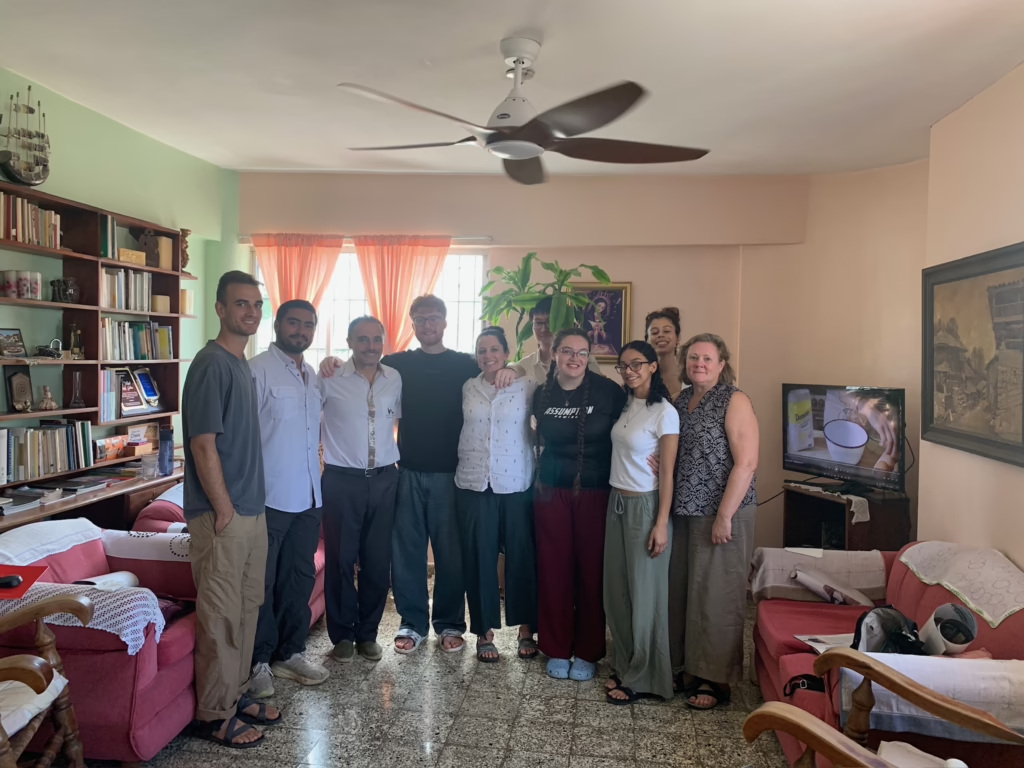
Murphy, Baez, and Orellana all emphasized that coming back from an experience like this can be daunting, but also joyful and inspiring, as change can happen even in small ways.
“Nobody’s expecting any of us to go out and fix the world,” said Murphy. “It’s about learning, growing, having more compassion, and looking for the ways in our everyday life that we can be more relational with people and live in the present.”
“And every single person we met from these communities had such a hopeful spirit to them,” Orellana continued. “Despite everything they’d been through, they knew it would get better.”