
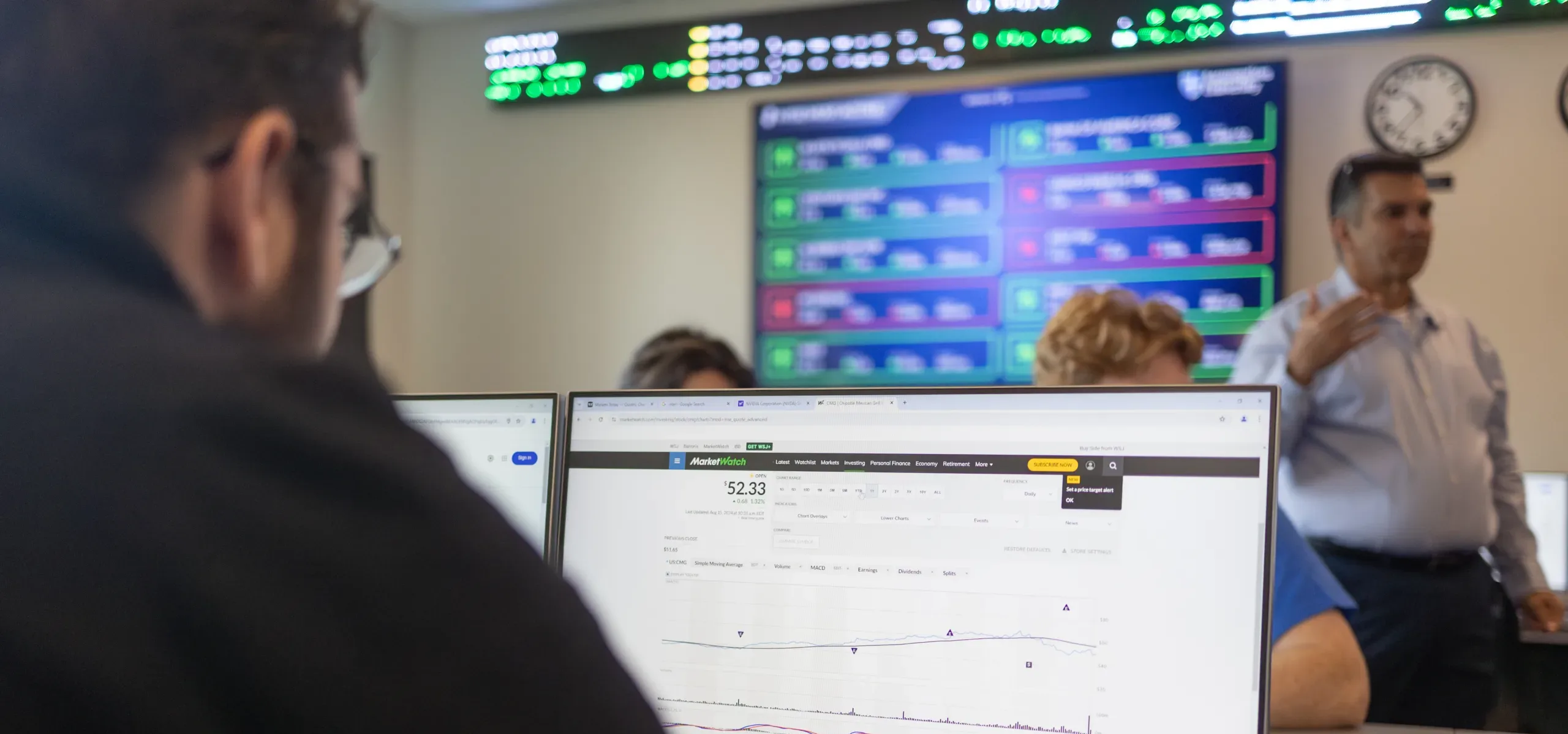
The Finance program at Assumption University prepares students to navigate the complex world of finance, develop quantitively grounded analytical and decision-making skills, and approach financial decision-making with integrity.
What Is Finance?
At Assumption, students learn how financial institutions operate, how capital markets function, and how financial decisions shape society. Our liberal arts foundation ensures that graduates are not only technically skilled but also ethical, reflective, and ready to make an impact in business, in government and non-profit work, and within their communities.
At Assumption, our Finance program is deeply rooted in economics because we believe that finance professionals need to have an understanding of the economic system they are embedded within. Our finance program is closely connected with our economics and accounting programs, allowing students to double or triple major/minor or find unique ways to taylor their study of finance to their interests.
Why Study Finance at Assumption?
Assumption’s dedicated finance faculty are committed to combining theory with hands-on projects to hone your understanding of two ‘tracks’ within finance: one, the investment track, where you learn about different investment strategies and how to choose between them; and second, the corporate finance track, where you learn to manage the financial operations of a business or non-profit. Our finance major also develops an understanding of the network of government and private financial institutions within which financial professionals operate.
Modern day finance is a highly quantitative field, so our students hone their quantitative and data analysis skills throughout the courses in the major. But the finance major at Assumption is rooted within a larger liberal arts curriculum that develops critical thinking skills and a capacity for ethical discernment that is perhaps more important than ever. Our goal is to produce finance professionals who are highly skilled while also being committed to enhancing the well-being of the communities they serve.
You will benefit from:
- Hands-on Learning: Train in the Lagarce Trading Room, equipped with Bloomberg terminals and real-world trading simulations.
- Experiential Opportunities: Gain practical experience through internships facilitated by the Denecker Career Development & Internship Center, connecting students with leading firms locally and globally.
- Student Leadership: Participate in the Greyhounds Investment Club to manage portfolios, conduct equity research, and host industry guest speakers.
- Ethical Focus: Our program emphasizes values-based decision-making, corporate responsibility, and social impact, preparing students to lead with integrity.
- Career Outcomes: Graduates pursue careers in corporate finance, investment management, financial planning, consulting, or graduate studies in finance, business, or public policy.
- Interdisciplinary Department: The Finance major is housed in the department of Accounting, Economics and Finance, allowing students to double/triple major/minor or find other ways to combine knowledge and skills from these three related disciplines.
Experiential Learning
- Trading Room & Investment Club: Apply classroom knowledge in the Lagarce Trading Room and manage portfolios through the Greyhounds Investment Club.
- Internships: Leverage career center support to secure finance-focused internships at local, national, and global organizations.
- Study Abroad: Broaden your finance education at our Rome Campus or other international partners.
Faculty
Our faculty combine academic rigor with professional experience:
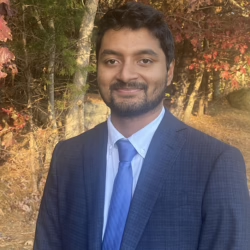
- Smriti Rao, Ph.D., Department Chair — leads curriculum development and student mentorship.
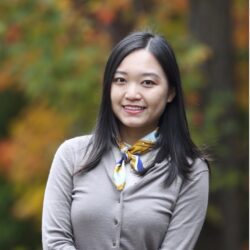
- Olivia Wu, Ph.D., CFA, – specializes in investments, portfolio management and trade policy.
- Colleen A. Fahy, Ph.D.– teaches financial management, econometrics and microeconomic theory.
- Demetrius Kantarelis, Ph.D.- specializes in investment theory and financial econometrics.
- Thomas White, Ph.D. – specializing in financial modeling, macroeconomic theory, monetary and financial institutions.
- Brian Volz, Ph.D. —teaches financial management and microeconomic theory.
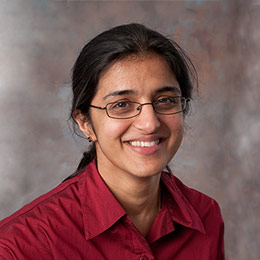
Smriti Rao, Ph.D
Faculty


Experiential Learning
Learn the Skills Employers Seek
Faculty/Student Research
The Assumption curriculum encourages scholarly and real-world experience. With hands-on research conducted alongside faculty mentors, students gain a depth of knowledge and skills that lead to professional success and personal fulfillment.Study Abroad
At Assumption University, the world is your classroom. Students can study and explore abroad in over 50 places from Vienna, to England, South Africa, and Rome, Italy. Assumption’s study abroad program offers culture, history, and a living classroom for all.Internships
Assumption starts planning for your future the day you arrive on campus. The Denecker Career Development & Internship Center helps students secure exciting and fulfilling internships where you’ll apply knowledge obtained in the classroom in a professional setting, preparing for a future career or additional study. Assumption connects students to internship opportunities in corporations, government agencies, research hospitals, non-profit organizations, and more.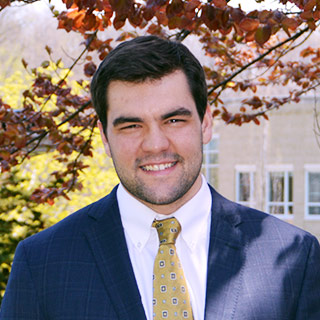
Stephen Picard
Economics 2017
Commercial Real Estate Broker, NAI Plotkin
“The liberal arts education at Assumption has helped me develop a broad knowledge of all fields. While I have learned personal investment strategies, I have also learned how to think critically and observe all potential outcomes. These experiences will help me hold conversations with all clients I will encounter in the commercial real estate market.”
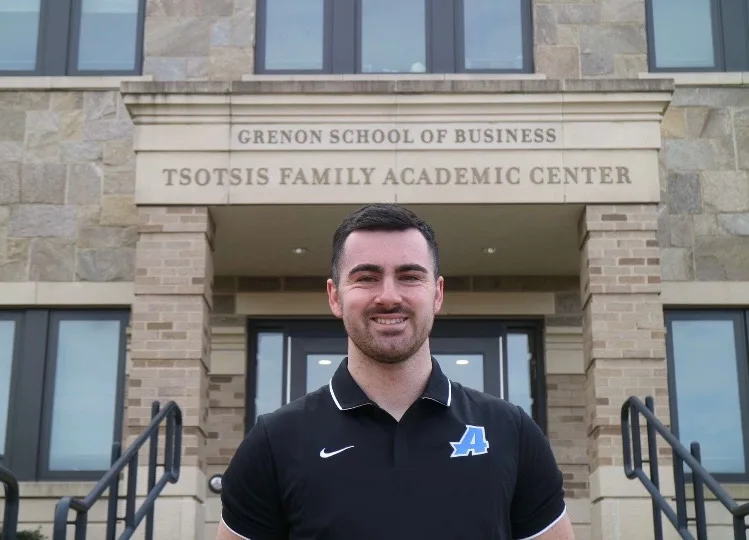
Griffin O'Connor
Finance 2024
“ The Finance major has been great for my knowledge and success in the finance world. It has not only given me real world knowledge but made it easier for me to stand out against other candidates for jobs and internships in the industry. The professors are always available and looking to help their students succeed.”

Shelby Moccio
Finance 2023
Moccio is also working towards her master’s degree in data analytics at the University of Massachusetts Amherst
“ Professor Olivia Wu was a great advisor, and she was really helpful when it came to networking. She helped me with applications and connections, helping me to get through the first door to internship and career opportunities. It’s important to make those connections – because you never know where they will lead.”
See Assumption University In Person
From our state-of-the-art academic buildings and exceptional academic programs to our welcoming and supportive community, Assumption isn't just a university - it's the place you can call home. Visit us and see why.